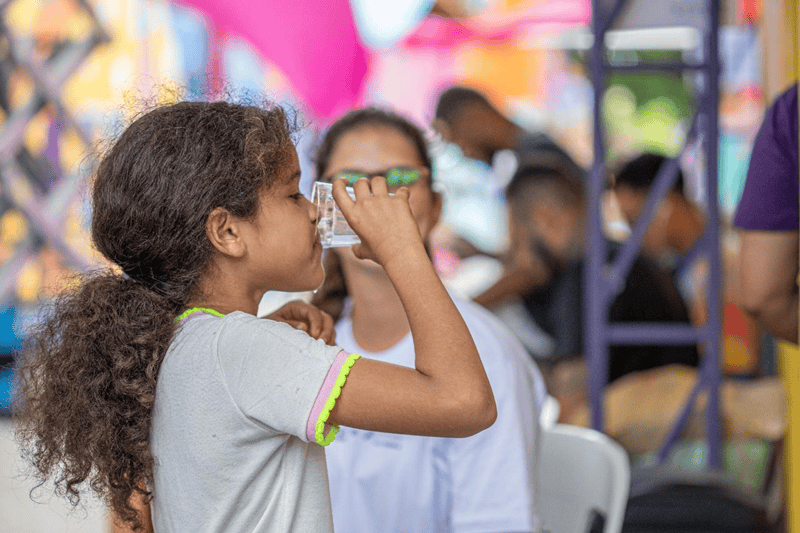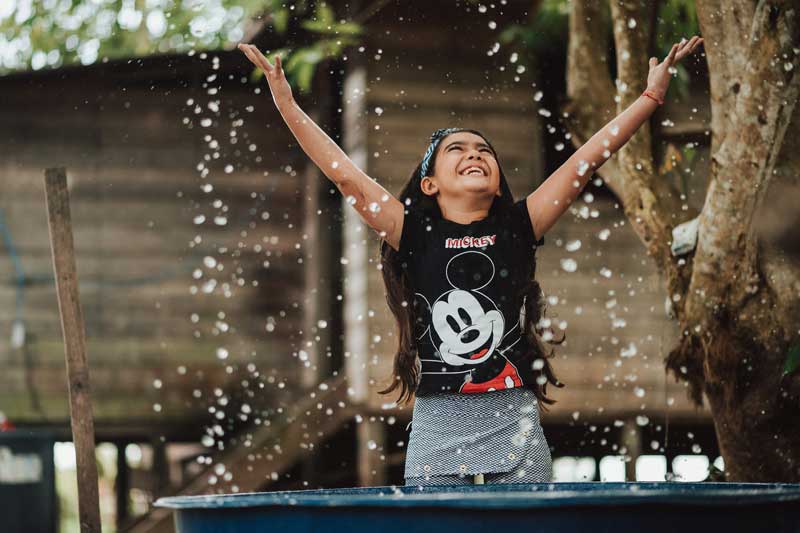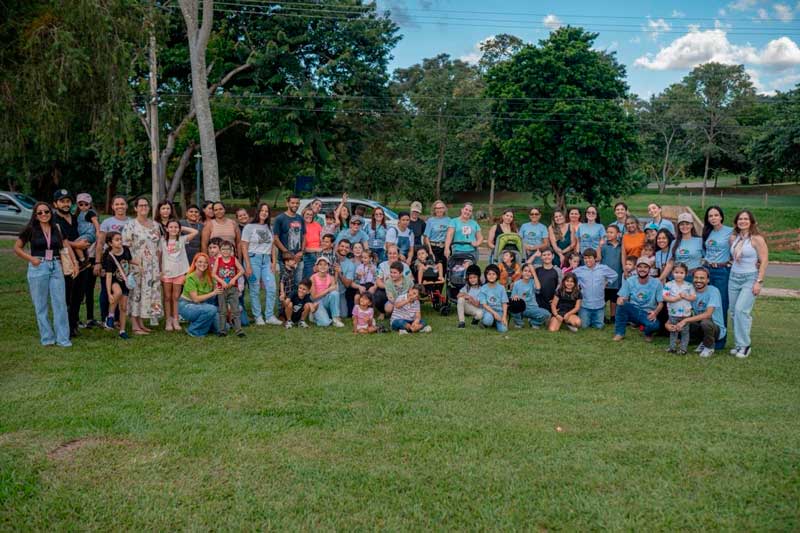
Funded with resources from Instituto Alok and support from Waaw, the first initiatives of our program contributing to access to clean water were carried out on two fronts, through partnerships with UNICEF and the startup Água Camelo.
UNICEF, with the support of Instituto Alok and various other partners, works on WASH — Water, Sanitation and Hygiene — initiatives in Brazil, with the goal of strengthening public policies in northeastern states and promoting the health, well-being, and full development of children and adolescents. The actions involve strategies related to safe access to water for human consumption, sewage and sanitation services, and good hygiene practices, including the following priority areas:
- Sanitation in rural areas;
- Promotion of healthy and sustainable environments in schools;
- Traditional peoples and communities.
In this partnership, between 2024 and 2025, priority was given to the states of Pernambuco, Bahia, and Maranhão.
In Pernambuco:
- 40 schools benefited from infrastructure works to improve access to drinking water. Cities served: Araripina, Bodocó, Cumaru, Itaíba, Ouricuri, Lagoa dos Gatos, and Petrolina.
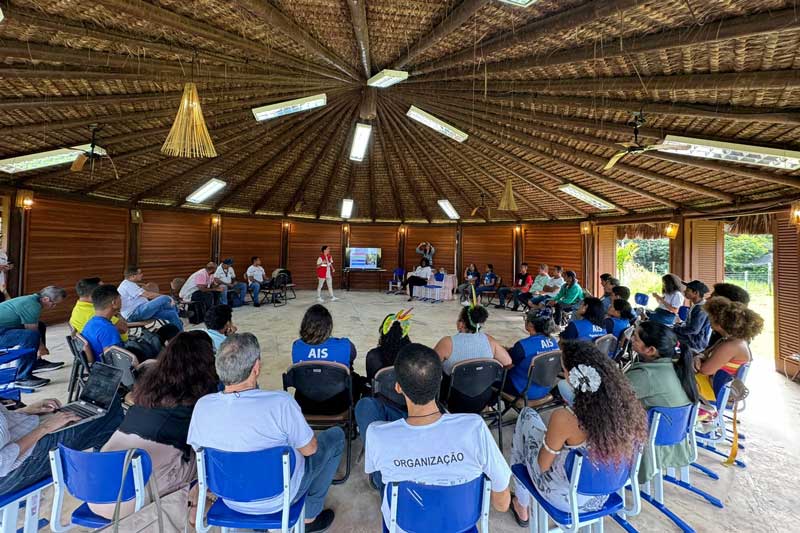
- 128 professionals trained in WASH infrastructure maintenance and management practices.
- 8,827 children and adolescents participated in educational activities promoting hygiene awareness and improved habits.
- 234 municipal and school managers trained in WASH and fundraising, ensuring the continuity and expansion of WASH infrastructure in the benefited municipalities.
In Bahia:
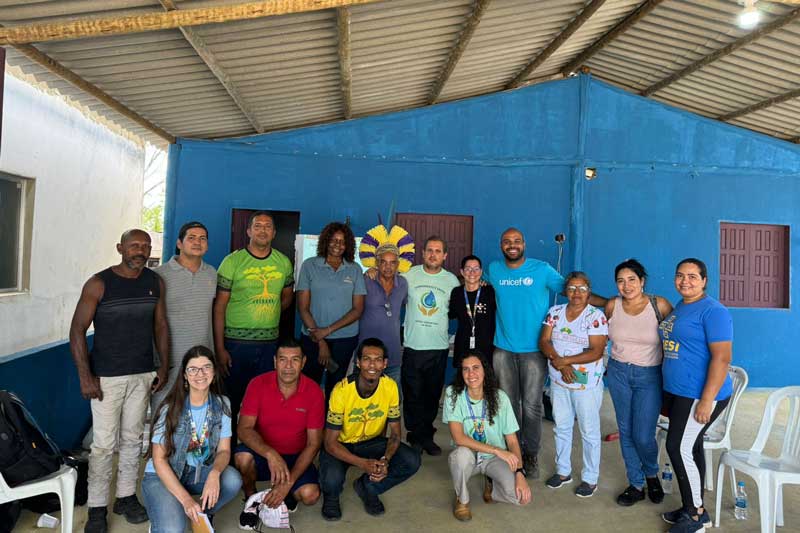
- Actions took place in three municipalities in the southern part of the state: Porto Seguro, Santa Cruz de Cabrália, and Prado, covering 13 indigenous communities: Tawá, Corumbauzinho, Águas Belas, Aroeira, Agricultura, Jaqueira, Campo do Boi, Mucugê, Pará, Barra Velha, Bugigão, Mirapé, Juerana, and Craveiro.
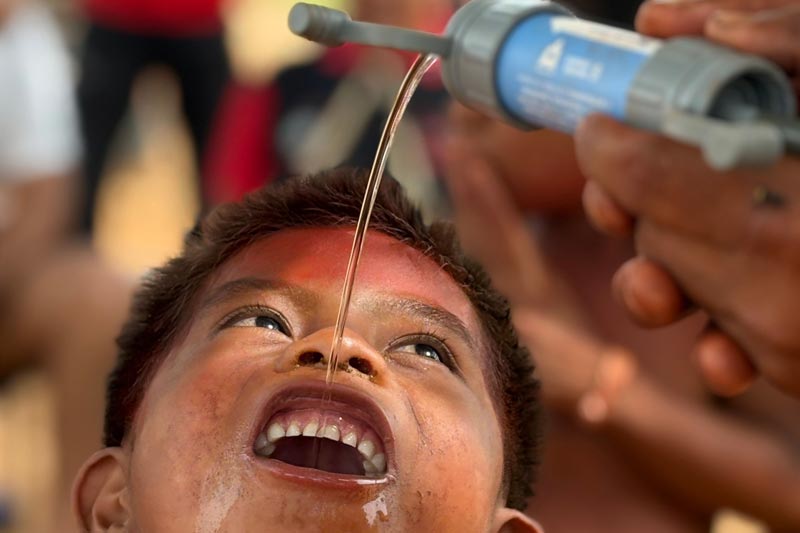
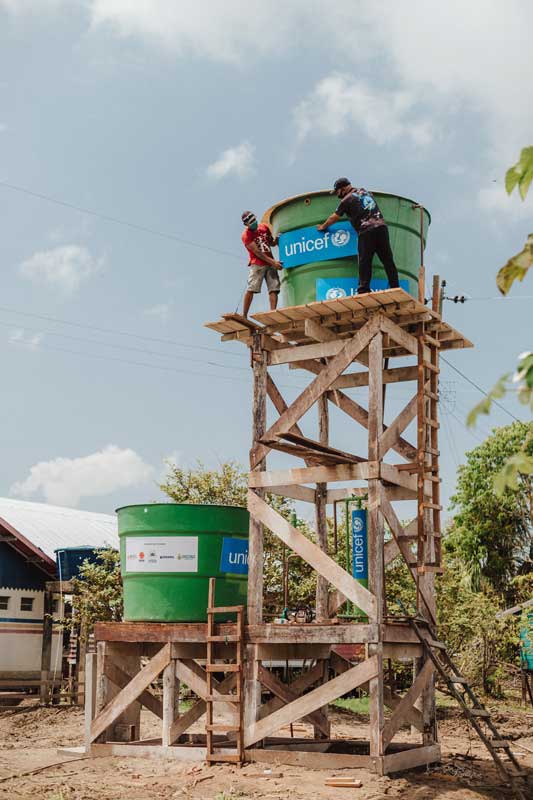
- Indigenous communities are being benefited with improvements to water supply systems.
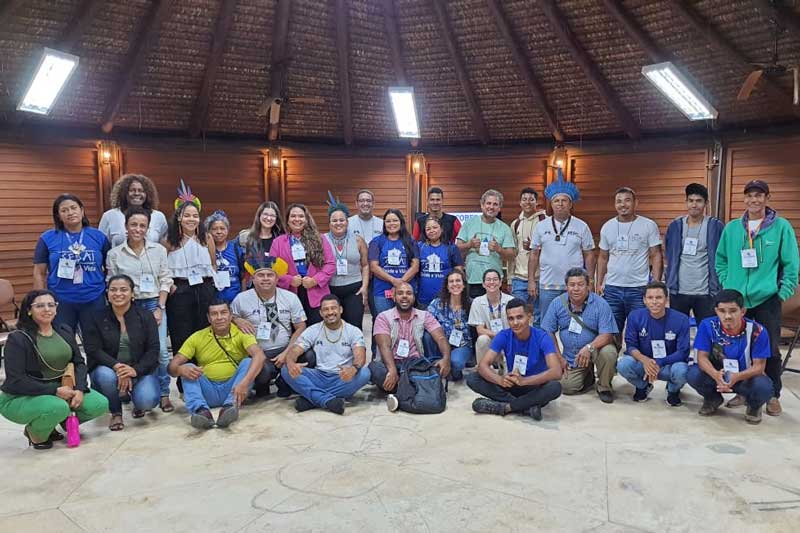
- 13 Indigenous Sanitation Agents trained to maintain water and sanitation infrastructure in the villages and promote good hygiene and community health practices.
- 10 Indigenous Health Agents trained to prevent sanitation-related diseases and promote hygiene culture in their communities.
- 330 indigenous children and adolescents participated in educational activities on hygiene and health in schools.
In Maranhão: Improvements were made to WASH infrastructure in schools and quilombola communities in the municipality of Bequimão:
- 5 quilombola schools received WASH improvements, including sanitation, access to drinking water, and personal hygiene facilities.
- 1 quilombola community received improvements to the water supply system, ensuring regular and safe access to drinking water.
- 936 children and adolescents benefit from WASH improvements in schools, with access to safe and hygienic facilities.
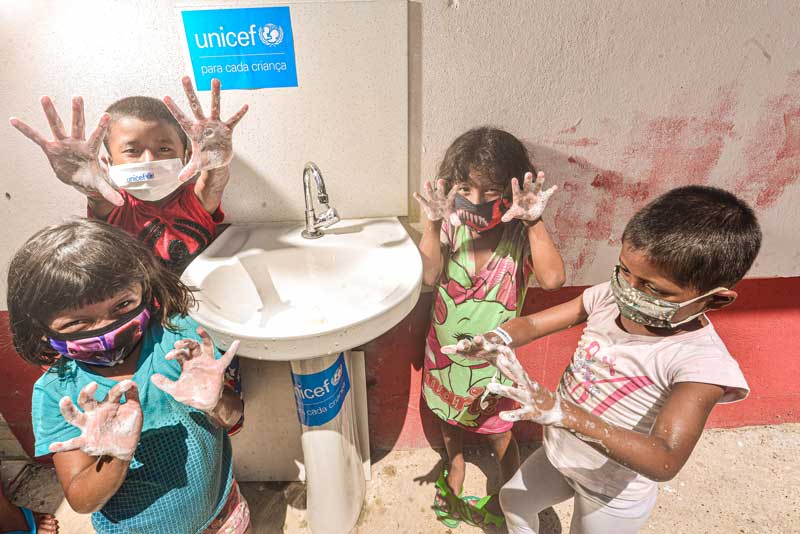
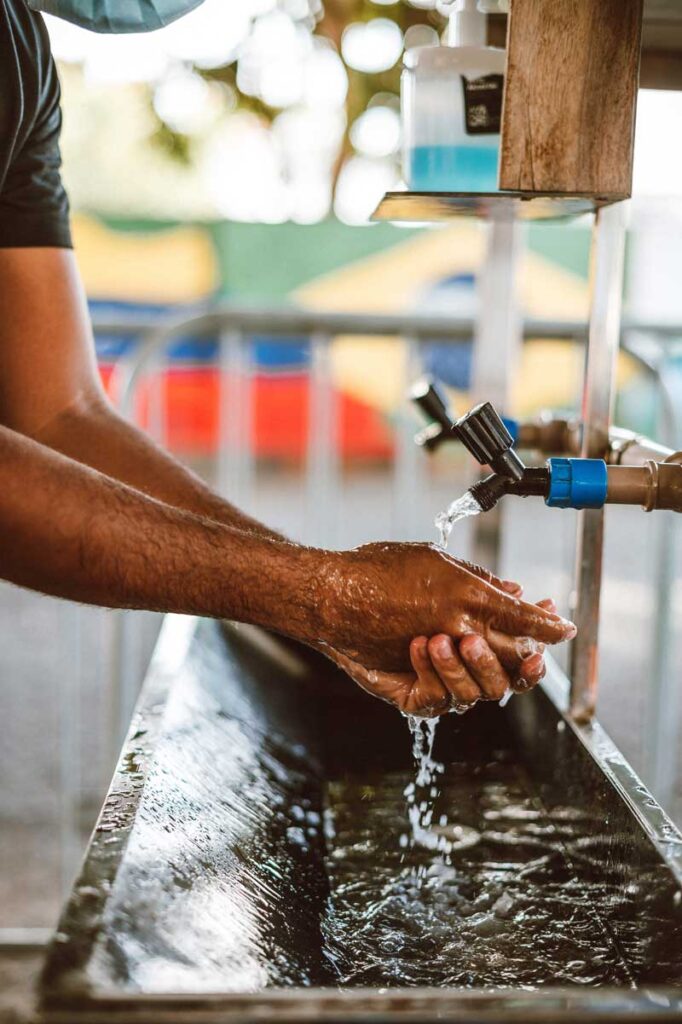
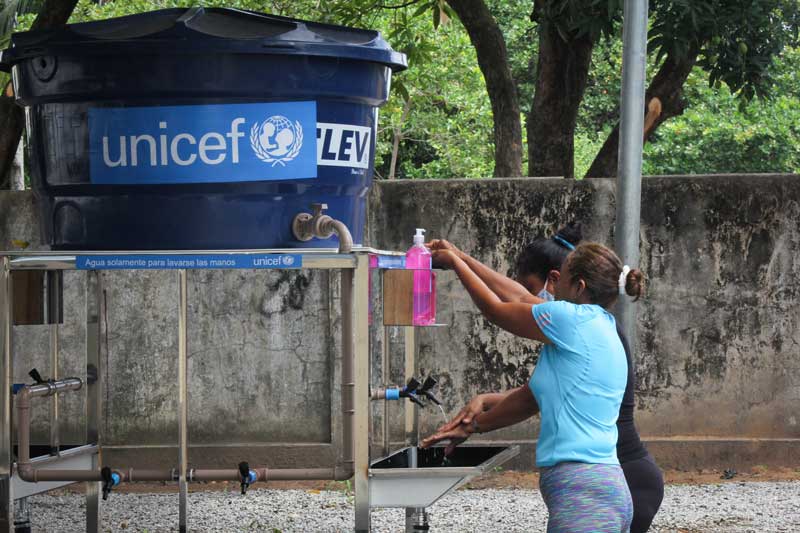
“It is with great joy that we celebrate the second project between Instituto Alok and UNICEF. In 2021, the partnership was focused on ensuring safe environments through hygiene practices for vulnerable children, adolescents, and families during the Covid-19 pandemic. Among the actions, 10 handwashing stations were installed in Maranhão, prioritizing schools in quilombola communities in the greater São Luís area. In addition, the alliance worked with the population to raise awareness about good hygiene practices, including handwashing, and prepared the school community for the safe reopening of schools.” — Rodrigo Resende, Water, Sanitation and Hygiene Officer, UNICEF Brazil. incluindo a comunidade escolar para a reabertura segura de escolas.”
About UNICEF
Among other strategies, UNICEF in Brazil runs the Water, Sanitation and Hygiene (WASH) initiative, aimed at strengthening public policies in the most vulnerable territories — with special attention to traditional peoples and communities — as well as WASH services in schools and capacity building for municipalities in the Legal Amazon and the Brazilian Semi-Arid region.
The actions are guided by the Sustainable Development Goals (SDGs), especially SDG 6, which aims to ensure the availability and sustainable management of drinking water and sanitation for all, with special attention to the needs of women and girls and people in vulnerable situations.
For the Water, Sanitation and Hygiene area, UNICEF is supported by several individual donors and corporate partners. Strategic partners: Aegea, FRAM capital, Fundação Salvador Arena, Grupo Profarma, Grupo RD-RaiaDrogasil, The Church of Jesus Christ of Latter-day Saints, Ministério Público do Trabalho (MPT), Takeda. Partners: Grupo Tigre, Instituto Alok, and WEG. Supporter: Sempre Livre® & Carefree®.
The strategy also counts on international partners supporting emergency actions and migration crises: the European Union Civil Protection and Humanitarian Aid Department (ECHO), the U.S. Department of State’s Bureau of Population, Refugees, and Migration (PRM), and the Spanish Agency for International Development Cooperation (AECID).
The UNICEF WASH Program in Brazil aims to achieve broad systemic results. Key 2024 goals include:
- 20,000 women and adolescent girls with menstrual hygiene needs met
- Benefit 60,000 people with basic water access
- 60 solar-powered water systems
- 5 municipalities with basic sanitation plans developed and approved
- 60 health units served with basic WASH services
- 200 schools reached with basic WASH services