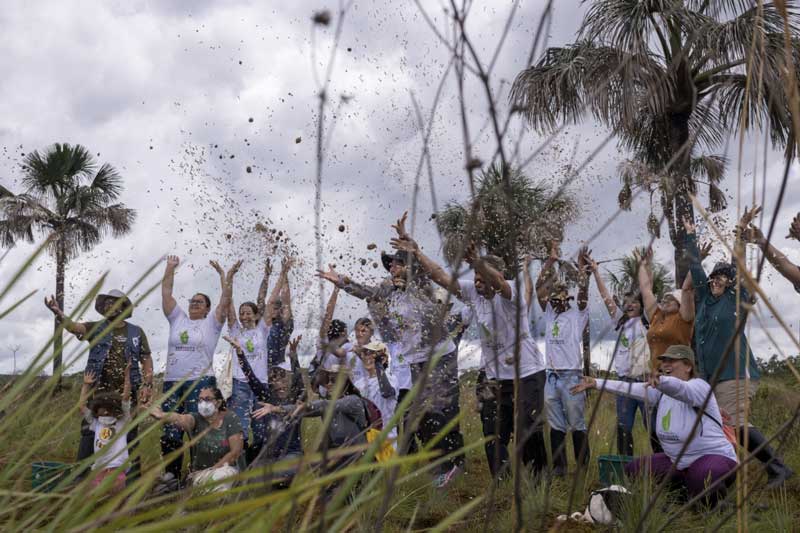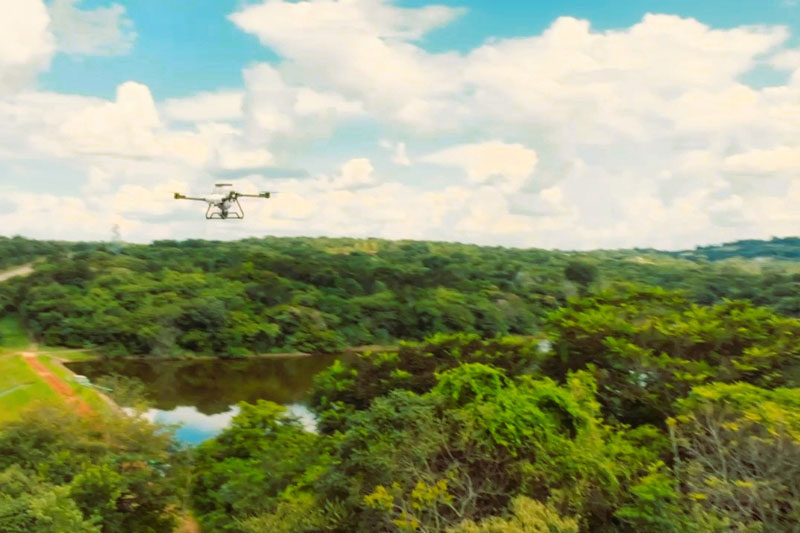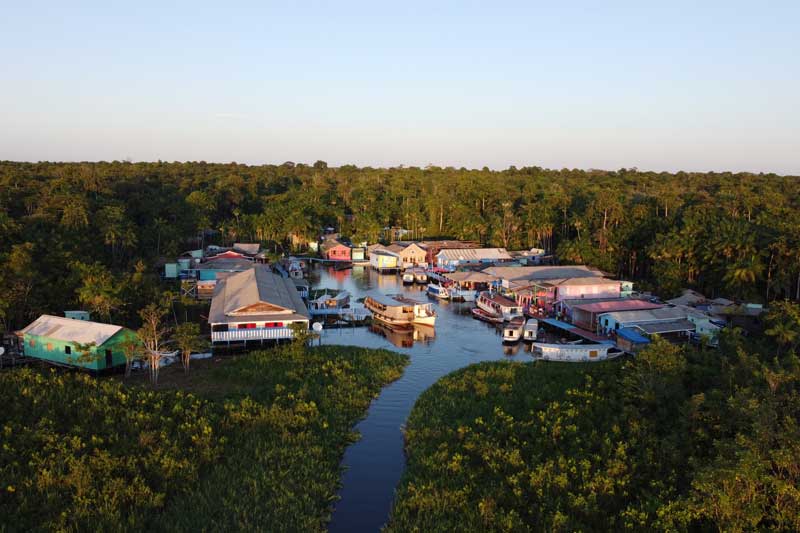
In 2026, the Alok Institute expands its Green Planet Program, a partnership with the Airbnb Community Fund to protect ecosystems across Brazil’s diverse biomes.
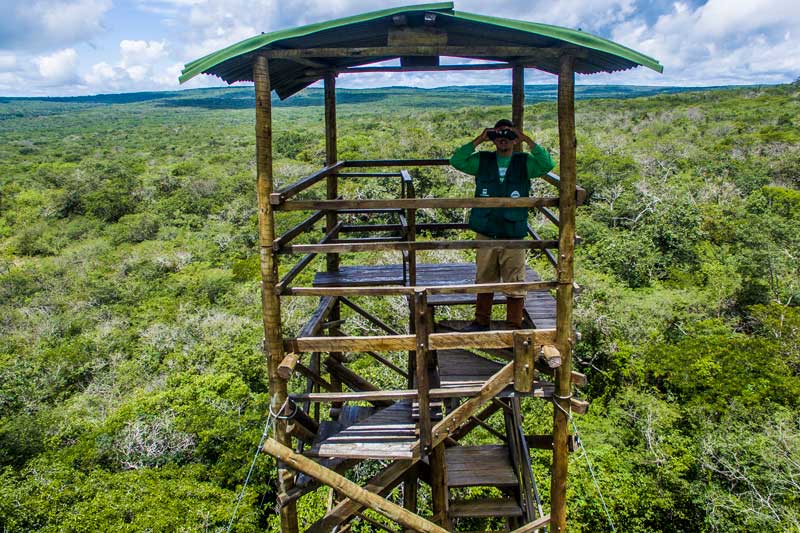
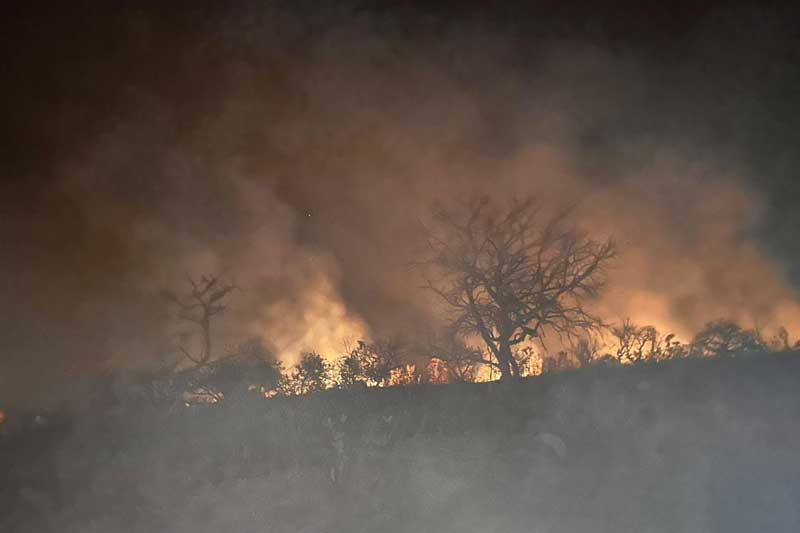
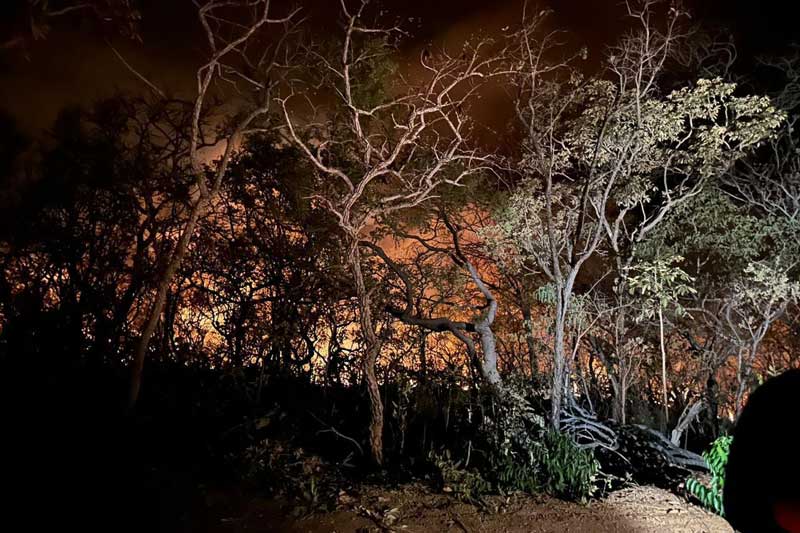
In Chapada dos Veadeiros (GO), we support FUNATURA (Pro-Nature Foundation) in launching the “Veadeiros Coordination Initiative”: a coordinated and long-term territorial response to the threat of wildfires, protecting one of the most biodiverse regions in the world.
The region is home to Chapada dos Veadeiros National Park, but its integrity depends directly on the health of the surrounding areas. For this reason, the project focuses on preventing and combating wildfires in the region, strategically strengthening the network of Private Natural Heritage Reserves (RPPNs), which currently includes 39 reserves protecting more than 15,700 hectares (157 million square meters, equivalent to 15,000 soccer fields), functioning as a true protective belt around the National Park.
The project establishes a shared and cross-sector model for fire management. Through the creation of Articulação Veadeiros, strategic institutions (civil society, businesses, and government) and private natural heritage reserves join forces to prevent fires and ensure a fast and efficient initial response.
“Articulação Veadeiros is built on a clear premise: wildfires cannot be addressed through isolated actions or short-term thinking. Territorial conservation requires a collective and cross-sector approach, where different actors come together to align strategies, find synergies, and structure, at a landscape scale, an integrated agenda for prevention, management, and coordinated fire response.”
– Pedro Lion Bruzzi, Executive Superintendent of Funatura
The initiative directly impacts around 75 reserve managers and staff, and indirectly benefits the entire local population and the region’s ecotourism by reducing the environmental and economic damage caused by fires.
“The rivers and waterfalls of Chapada dos Veadeiros are part of my childhood and adolescence—but so is the sight of wildfires. Fire poses a great danger to people, threatens wildlife, and is responsible for significant vegetation loss. I am very happy that Instituto Alok is part of the creation of the Veadeiros Articulation, working together with Funatura and other organizations to prevent and combat wildfires,” says Alok.
According to Verônica Theulen, coordinator at Funatura, this coordinated effort “replaces fragmented practices with a structured model of shared management, strengthening collective awareness of territorial responsibility and the central role of preventive action.”
Projected Actions
The project is structured to generate long-lasting results in the Chapada dos Veadeiros (GO) region:
- Governance: Formalization of Articulação Veadeiros as a technical and political coordination body.
- Strategic Plan: Development and implementation of a wildfire prevention and response plan, strengthening the RPPN network strategically located around the National Park.
- Equipment: Acquisition of firefighting kits (equipment, clothing, and other materials).
- Firebreaks: Implementation of firebreaks and water points in strategically identified locations.
- Protection: Creation of two new RPPNs, ensuring the permanent preservation of at least an additional 50 hectares of native vegetation.
- Monitoring: Satellite monitoring of “fire scars” to assess the effectiveness of preventive barriers.
About Funatura
The Pro-Nature Foundation (Funatura) was founded in 1986 in Brasília, Federal District. It develops and supports projects throughout Brazil and is one of the most relevant civil society organizations in the country’s socio-environmental context. In 1997, it was declared a federal public utility organization. Over its 35 years of existence, it has implemented more than one hundred projects, most of them in the Cerrado biome.
About the Airbnb Community Fund
Created in 2020, the Airbnb Community Fund is part of Airbnb’s commitment to serve its stakeholders and contribute to the communities where hosts operate. The fund will distribute US$100 million by the end of 2030 to strengthen communities worldwide. The organization works closely with its partners and hosts to identify priority causes and support institutions that generate real impact in these regions. Its key focus areas include environmental sustainability, economic empowerment, mental health, and the fight against abuse and exploitation.