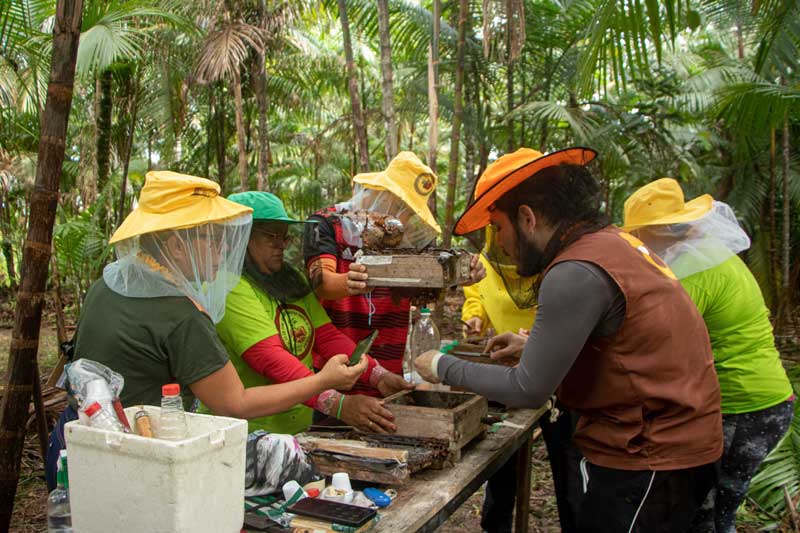
In Quilombo Gibrié de São Lourenço, which is home to around 400 families, traditional knowledge is preserved and guides sustainable production practices. The “Bees & Flowers” project integrates the raising of native stingless bees with the cultivation of fruit, medicinal, ornamental, and tree seedlings. This initiative empowers women, promotes community-based tourism, and generates income for approximately 30 quilombola families, directly benefiting around 100 people.
In 2025, with support from the Alok Institute, two existing meliponaries and one nursery were renovated, and a new meliponary and seedling nursery were constructed. This initiative also included the acquisition of supplies and equipment for management, safety, and logistics. The community now produces high-commercial-potential products such as honey, propolis extract, geo-propolis, and natural cosmetics (including soaps, oils, and creams made with andiroba, clay, turmeric, honey, and propolis). Additionally, they create fermented beverages like honey liqueur and mead. This diverse range of products helps generate income while honoring traditional knowledge.
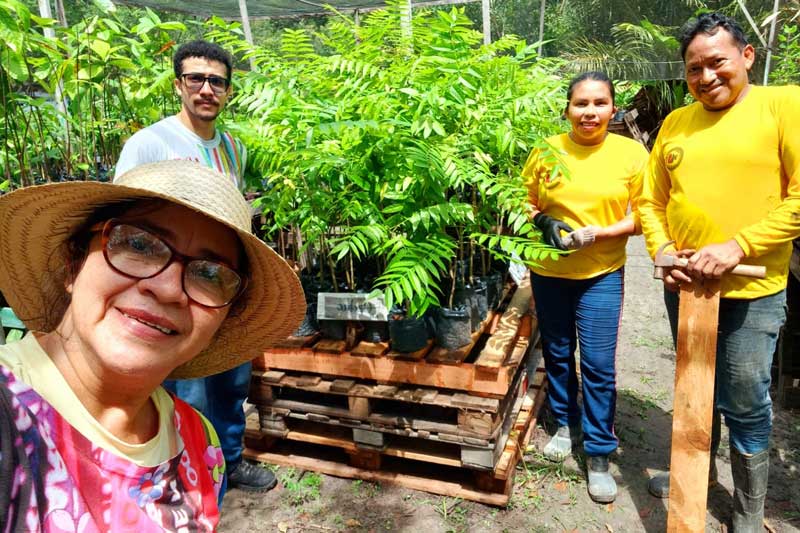
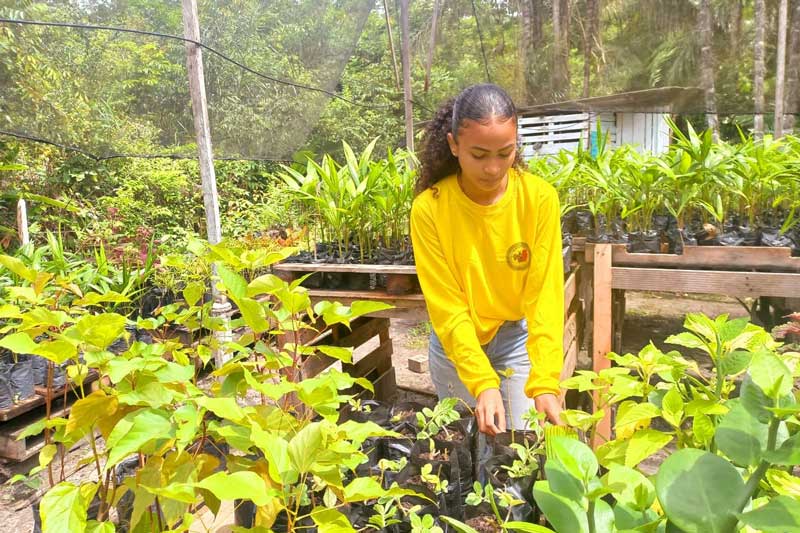
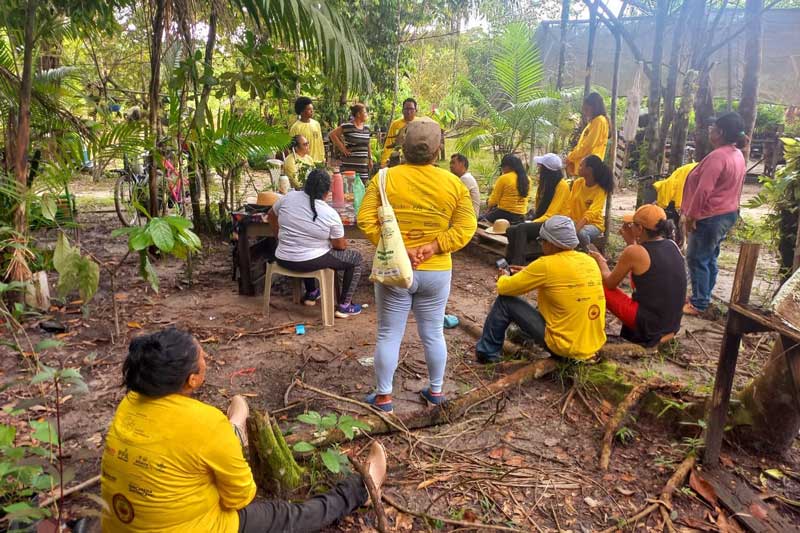
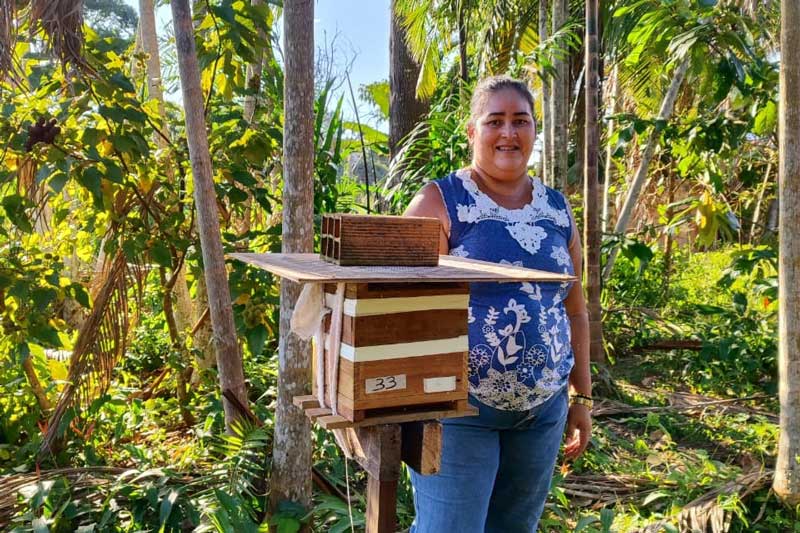
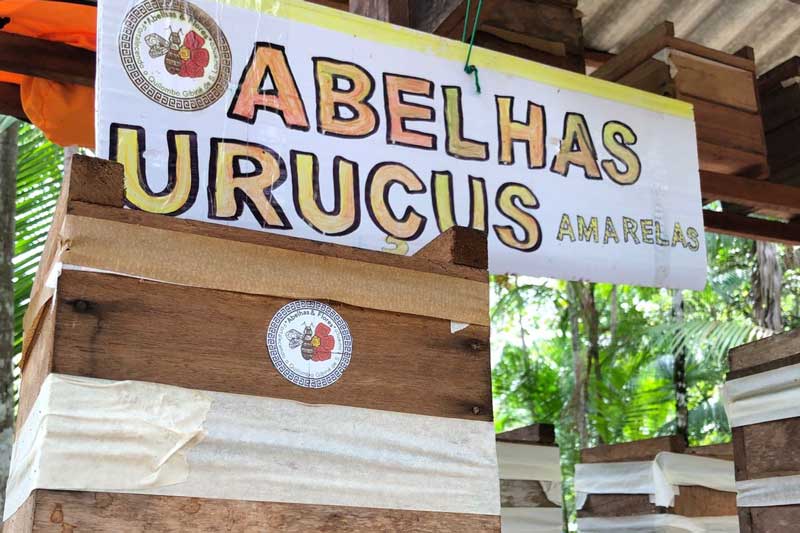
Foto: Arquivo Quilombo Gibrié de São Lourenço
About the Quilombo Gibrié de São Lourenço
The Quilombo Gibrié de São Lourenço, officially recognized by the Palmares Cultural Foundation in 2016, has its roots in the 19th century, when Manoel Joaquim dos Santos, a freed Black man, settled in the Barcarena (PA) region after the Cabanagem period. Alongside his family, he welcomed people in vulnerable situations—other Black individuals seeking freedom, Indigenous people, and descendants of Europeans—forming a community characterized by diversity and solidarity.